

Melamine MDF and glass - covered MDF are two popular materials in the furniture and interior design industries. As a melamine MDF supplier, I have in - depth knowledge of melamine MDF and also understand the characteristics of glass - covered MDF. In this blog, I will compare these two materials from various aspects to help you make a more informed choice.
Appearance
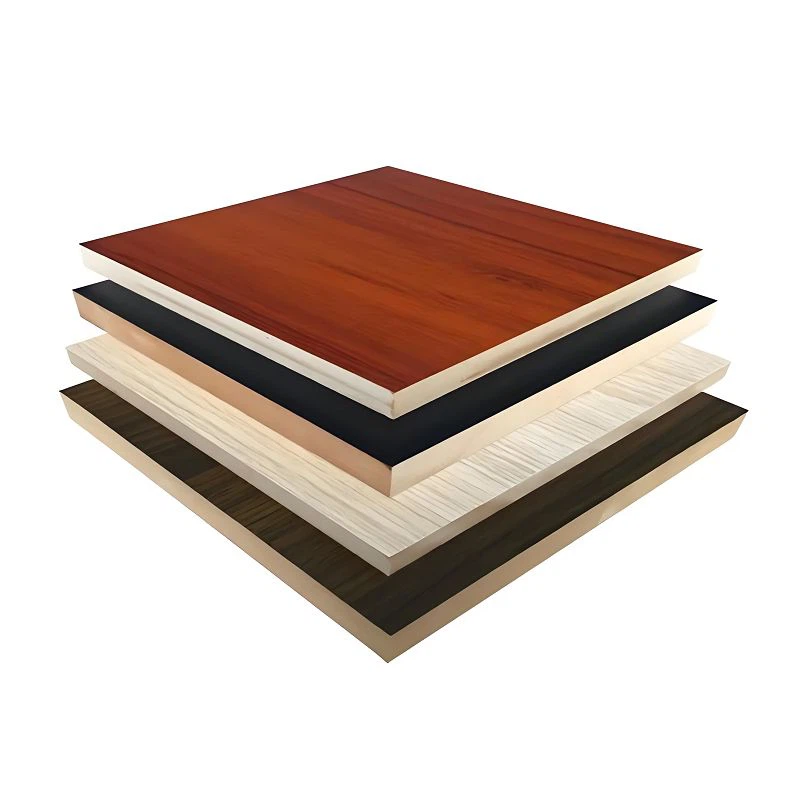
Melamine MDF offers a wide range of visual options. With advanced printing technologies, melamine MDF can mimic the look of natural wood, stone, or other patterns. The surface can have a smooth, matte, or glossy finish. For example, if you want to create a rustic - style furniture piece, you can choose a melamine MDF with a wood - grain pattern that closely resembles real wood. The colors are also very consistent, which is beneficial for large - scale projects where uniformity is required. You can explore a variety of options on our Laminated Melamine MDF Panel page.
On the other hand, glass - covered MDF has a very modern and sleek appearance. The transparency of glass gives a sense of lightness and openness to the furniture or interior space. It can reflect light, creating an airy and bright atmosphere. However, the visual effect of glass - covered MDF is mainly determined by the base MDF and the type of glass used. If the base MDF has a simple design, the overall look might be a bit plain without additional decorative elements.
Durability
Melamine MDF is known for its good durability. The melamine resin coating provides a hard and scratch - resistant surface. It can withstand daily wear and tear, such as light impacts and scratches from normal use. For furniture in high - traffic areas like kitchens or living rooms, melamine MDF can maintain its appearance for a long time. It is also resistant to moisture to a certain extent, but it is important to avoid prolonged exposure to water. If there are minor scratches on the surface, they are often not very noticeable due to the uniform pattern of the melamine layer.
Glass - covered MDF, while having a strong and clear visual impact, is more vulnerable to damage. Glass is prone to cracking and shattering when subjected to strong impacts. Even a small chip on the glass edge can compromise the overall integrity of the panel. Additionally, glass is more difficult to repair compared to melamine MDF. Once damaged, the entire glass covering may need to be replaced. However, if the glass is properly installed and protected, it can last for a long time.
Maintenance
Maintaining melamine MDF is relatively easy. You can simply wipe it with a damp cloth and a mild detergent to remove dirt and stains. The non - porous surface of melamine prevents stains from penetrating deeply, so most stains can be easily cleaned. It does not require any special cleaning agents or treatments, making it a cost - effective choice in terms of long - term maintenance.
Glass - covered MDF requires more careful maintenance. Fingerprints, smudges, and water spots are easily visible on the glass surface. Special glass cleaners are usually needed to keep it clean and clear. Moreover, when cleaning, you need to be careful not to scratch the glass. If the glass is dirty or has streaks, it can significantly affect the overall appearance of the furniture or interior.
Cost
Melamine MDF is generally more cost - effective than glass - covered MDF. The production process of melamine MDF is relatively simple and well - established, which allows for large - scale production at a lower cost. This makes it an ideal choice for budget - conscious customers or large - scale projects. Our Furniture Melamine MDF offers high - quality materials at competitive prices.
Glass - covered MDF is more expensive due to the cost of the glass itself and the additional manufacturing process of attaching the glass to the MDF. The glass needs to be cut, polished, and properly bonded to the MDF, which adds to the overall production cost. In addition, the higher risk of damage during transportation and installation also contributes to the higher price.
Environmental Impact
Melamine MDF has a relatively low environmental impact. The MDF core is usually made from recycled wood fibers, which helps to reduce the demand for new timber. The melamine resin used in the coating is also a synthetic material that can be produced in a controlled environment. However, some low - quality melamine MDF products may release formaldehyde, a harmful chemical. But at our company, we ensure that our melamine MDF products meet strict environmental standards and have low formaldehyde emissions.
Glass - covered MDF also has its own environmental considerations. Glass is made from natural materials such as sand, but the production process requires a large amount of energy. Recycling glass is possible, but it also consumes energy. Moreover, the disposal of broken glass can be a challenge due to its sharp edges.
Application Areas
Melamine MDF is widely used in furniture manufacturing, such as cabinets, wardrobes, and desks. Its versatility in appearance and good durability make it suitable for a variety of furniture styles. It is also commonly used in interior decoration, such as wall panels and ceiling tiles.
Glass - covered MDF is often used in modern and contemporary furniture designs, especially in high - end furniture where a unique and luxurious look is desired. It is also used in commercial spaces, such as showrooms and offices, to create a modern and professional atmosphere.
In conclusion, both melamine MDF and glass - covered MDF have their own advantages and disadvantages. Melamine MDF is a practical, cost - effective, and easy - to - maintain option, while glass - covered MDF offers a more modern and luxurious appearance. When choosing between the two, you need to consider factors such as your budget, the intended use, and the desired aesthetic effect.
If you are interested in our melamine MDF products or have any questions about the comparison between melamine MDF and glass - covered MDF, please feel free to contact us for a procurement discussion. We are here to provide you with the best solutions and high - quality materials for your projects.

References
- "Wood - Based Panels: Production, Properties, and Applications" by Xiping Wang.
- "The Handbook of Glass Manufacture" by Peter Zwisler.