

Hey there! As a melamine MDF supplier, I often get asked about how to join melamine MDF pieces together. It's a common question, especially for DIY enthusiasts and professional furniture makers. In this blog post, I'll share some tips and techniques on how to do it right.
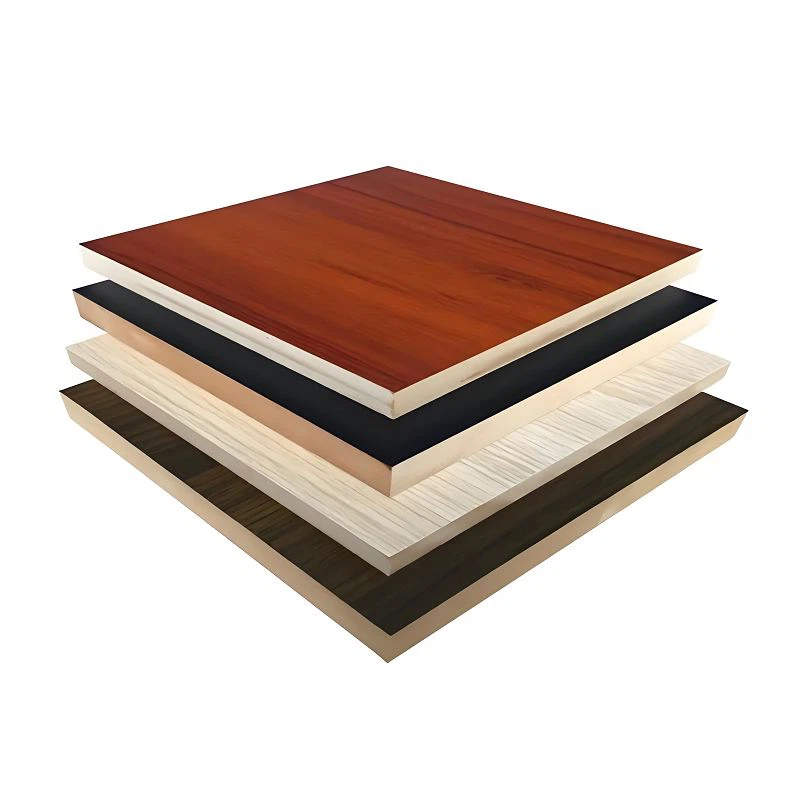
First off, let's talk about what melamine MDF is. Melamine MDF is a type of engineered wood product that consists of a medium-density fiberboard (MDF) core with a melamine resin-impregnated paper laminate on the surface. This laminate gives the MDF a smooth, durable, and decorative finish that's resistant to scratches, stains, and moisture. It's commonly used in furniture, cabinetry, shelving, and other interior applications.
Now, let's get into the nitty-gritty of joining melamine MDF pieces together. There are several methods you can use, depending on the type of joint you need and the tools you have available. Here are some of the most common methods:
1. Using Wood Glue
Wood glue is a simple and effective way to join melamine MDF pieces together. It works by creating a strong bond between the two surfaces, holding them firmly in place. To use wood glue, follow these steps:
- Prepare the surfaces: Make sure the surfaces you want to join are clean, dry, and free of any dust or debris. You can use a damp cloth to wipe them down if necessary.
- Apply the glue: Apply a thin, even layer of wood glue to one of the surfaces using a brush or a roller. Make sure to cover the entire area that will be in contact with the other piece.
- Join the pieces: Press the two pieces together firmly, aligning them as accurately as possible. Use clamps to hold them in place while the glue dries. Make sure the clamps are tightened evenly to avoid any gaps or unevenness.
- Let the glue dry: Allow the glue to dry completely according to the manufacturer's instructions. This usually takes a few hours, but it may take longer depending on the type of glue and the environmental conditions.
One thing to keep in mind when using wood glue is that it may not be suitable for all types of joints. For example, if you're joining two pieces at a right angle, you may need to use additional reinforcement, such as corner brackets or screws, to ensure the joint is strong enough.
2. Using Screws
Screws are another popular method for joining melamine MDF pieces together. They provide a strong and secure connection that can withstand a lot of stress and weight. To use screws, follow these steps:
- Mark the holes: Use a pencil or a drill bit to mark the locations where you want to insert the screws. Make sure the holes are evenly spaced and aligned with the corresponding holes on the other piece.
- Drill the holes: Use a drill to create the holes in the melamine MDF. Make sure the holes are slightly smaller than the diameter of the screws to ensure a tight fit.
- Insert the screws: Insert the screws into the holes and tighten them using a screwdriver or a drill. Make sure the screws are tightened firmly, but not too tightly, to avoid splitting the melamine MDF.
When using screws, it's important to choose the right type and size of screws for the job. For melamine MDF, it's recommended to use screws with a fine thread and a flat head to prevent the melamine laminate from cracking or splitting.
3. Using Dowels
Dowels are small, cylindrical rods that are used to join two pieces of wood together. They provide a strong and stable connection that can help to align the pieces accurately and prevent them from shifting or moving. To use dowels, follow these steps:
- Mark the holes: Use a doweling jig or a drill bit to mark the locations where you want to insert the dowels. Make sure the holes are evenly spaced and aligned with the corresponding holes on the other piece.
- Drill the holes: Use a drill to create the holes in the melamine MDF. Make sure the holes are the same diameter as the dowels and the same depth as the length of the dowels.
- Insert the dowels: Apply a thin layer of wood glue to the dowels and insert them into the holes. Make sure the dowels are inserted all the way to the bottom of the holes.
- Join the pieces: Apply a thin layer of wood glue to the other piece and align it with the dowels. Press the two pieces together firmly, making sure they are aligned accurately. Use clamps to hold them in place while the glue dries.
Dowels are a great option for joining melamine MDF pieces together, especially if you need to create a strong and precise joint. However, they do require some additional tools and skills, so they may not be suitable for beginners.
4. Using Biscuits
Biscuits are small, oval-shaped pieces of wood that are used to join two pieces of wood together. They work by creating a strong and flexible connection that can help to align the pieces accurately and prevent them from splitting or cracking. To use biscuits, follow these steps:
- Mark the locations: Use a biscuit joiner or a drill bit to mark the locations where you want to insert the biscuits. Make sure the locations are evenly spaced and aligned with the corresponding locations on the other piece.
- Cut the slots: Use a biscuit joiner to cut the slots in the melamine MDF. Make sure the slots are the same size and shape as the biscuits.
- Insert the biscuits: Apply a thin layer of wood glue to the biscuits and insert them into the slots. Make sure the biscuits are inserted all the way to the bottom of the slots.
- Join the pieces: Apply a thin layer of wood glue to the other piece and align it with the biscuits. Press the two pieces together firmly, making sure they are aligned accurately. Use clamps to hold them in place while the glue dries.
Biscuits are a popular option for joining melamine MDF pieces together, especially for creating joints that need to be flexible or adjustable. However, they do require a special tool, called a biscuit joiner, which can be expensive and may not be necessary for all projects.

Choosing the Right Method
Now that you know the different methods for joining melamine MDF pieces together, how do you choose the right one for your project? Here are some factors to consider:
- Type of joint: The type of joint you need will depend on the design and function of your project. For example, if you're joining two pieces at a right angle, you may need to use a method that provides additional reinforcement, such as screws or corner brackets.
- Strength and durability: The strength and durability of the joint will depend on the type of method you use and the materials you choose. For example, if you're creating a joint that will be subjected to a lot of stress and weight, you may need to use a method that provides a strong and secure connection, such as screws or dowels.
- Appearance: The appearance of the joint will also depend on the type of method you use and the materials you choose. For example, if you're creating a joint that will be visible, you may want to choose a method that provides a clean and seamless look, such as using biscuits or dowels.
- Tools and skills: The tools and skills you have available will also play a role in choosing the right method. For example, if you don't have a lot of experience using power tools, you may want to choose a method that is relatively simple and easy to do, such as using wood glue or screws.
In general, it's a good idea to choose a method that is appropriate for the type of joint you need, provides the strength and durability you require, and fits your budget and skill level.
Tips and Tricks
Here are some additional tips and tricks to help you join melamine MDF pieces together successfully:
- Use a sharp blade: When cutting melamine MDF, it's important to use a sharp blade to prevent the melamine laminate from chipping or cracking. You can use a circular saw, a table saw, or a jigsaw, but make sure the blade is designed for cutting melamine MDF.
- Sand the edges: After cutting the melamine MDF, it's a good idea to sand the edges to smooth them out and remove any rough or jagged edges. You can use a sanding block or a power sander to do this.
- Test the joint: Before applying the glue or making the final connection, it's a good idea to test the joint to make sure it fits together properly. You can do this by dry-fitting the pieces together and checking for any gaps or unevenness.
- Clamp the pieces securely: When using clamps to hold the pieces together, make sure they are tightened evenly and securely. This will help to prevent the pieces from shifting or moving while the glue dries.
- Let the glue dry completely: After applying the glue, it's important to let it dry completely before using or moving the joint. This will ensure that the joint is strong and durable.
Conclusion
Joining melamine MDF pieces together is a relatively simple process, but it does require some careful planning and preparation. By choosing the right method, using the right tools and materials, and following the tips and tricks outlined in this blog post, you can create strong, durable, and attractive joints that will last for years to come.
If you're looking for high-quality melamine MDF products for your next project, look no further than our Laminated Melamine MDF Panel and Furniture Melamine MDF. We offer a wide range of melamine MDF products in different sizes, colors, and finishes to suit your needs and preferences.
If you have any questions or need further assistance, please don't hesitate to contact us. We're here to help you with all your melamine MDF needs.
References
- Woodworking Magazine. (2023). Joining Melamine MDF: Tips and Techniques.
- DIY Network. (2023). How to Join Melamine MDF Pieces Together.
- Home Depot. (2023). Melamine MDF Installation Guide.