

Hey there! I'm a supplier of melamine MDF, and I know how crucial it is to transport this material safely. Melamine MDF is a popular choice for furniture, cabinetry, and other woodworking projects because of its durability and affordability. But if it's not transported properly, it can get damaged, which is a headache for both suppliers like me and customers. So, in this blog, I'm gonna share some tips on how to transport melamine MDF safely.
Understanding Melamine MDF
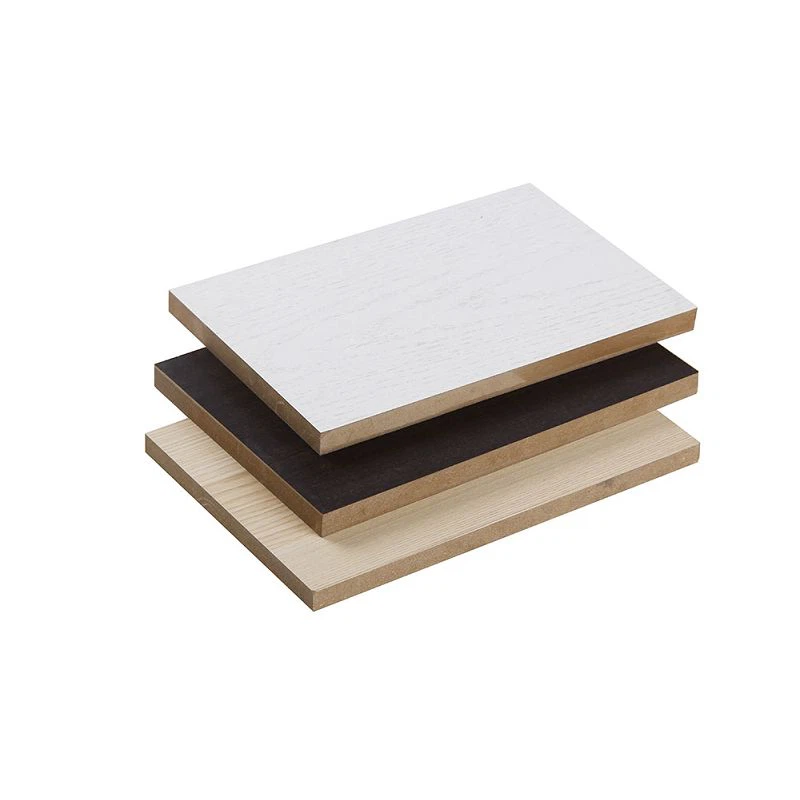
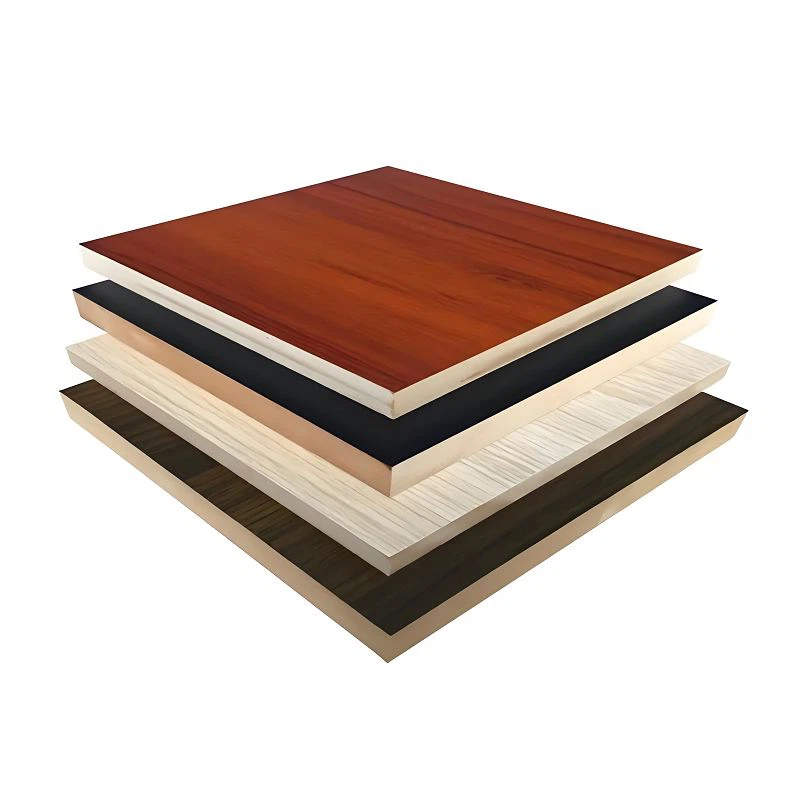
Before we dive into the transportation part, let's quickly understand what melamine MDF is. Melamine MDF is a medium - density fiberboard (MDF) that has a melamine resin laminate on its surface. This laminate gives it a smooth, durable, and attractive finish. You can find different types of melamine MDF, like Laminated Melamine MDF Panel and Furniture Melamine MDF. Each type has its own characteristics, but they all need to be handled with care during transportation.
Pre - Transportation Preparation
Inspection
The first step is to inspect the melamine MDF panels before loading them for transportation. Look for any visible damage, such as scratches, dents, or delamination. If you find any damaged panels, set them aside. You don't want to transport damaged goods as it'll just cause more problems for the customer.
Packaging
Proper packaging is key to protecting melamine MDF during transportation. Wrap each panel in a protective material, like plastic sheeting or foam. This will prevent scratches and minor impacts. You can also use cardboard edge protectors to safeguard the edges of the panels, which are more vulnerable to damage.
Stacking
When stacking the panels, make sure they are aligned properly. Uneven stacking can cause the panels to shift during transit and potentially get damaged. Stack the panels in a stable way, and if possible, use straps or bands to secure the stack. This will keep the panels together and reduce the risk of movement.
Choosing the Right Transportation Method
Trucks
Trucks are a common choice for transporting melamine MDF. When using a truck, make sure it's clean and dry. Any moisture or dirt in the truck can damage the panels. If the truck has a flatbed, use a tarp to cover the load to protect it from the elements, like rain or sunlight. Also, ensure that the truck has proper tie - down points to secure the stack of panels.
Containers
For long - distance or international transportation, containers can be a good option. Containers provide better protection against the elements and can be sealed to prevent moisture and dust from getting in. However, make sure the container is the right size for the load. Overcrowding the container can lead to panel damage.
During Transportation
Securing the Load
Once the melamine MDF is loaded onto the transportation vehicle, it's essential to secure the load properly. Use ropes, chains, or straps to hold the stack in place. Make sure the tension is even across the load to prevent any shifting. Check the security of the load regularly during the journey, especially after making sharp turns or stops.
Temperature and Humidity Control
Melamine MDF is sensitive to temperature and humidity changes. High humidity can cause the panels to absorb moisture, leading to swelling and warping. On the other hand, extreme heat can cause the melamine laminate to peel or crack. If possible, choose a transportation method that allows for some control over the temperature and humidity. For example, in a truck, you can use a climate - controlled trailer.
Avoiding Rough Handling
During loading and unloading, as well as during the journey, avoid rough handling of the melamine MDF. This means no dropping, throwing, or dragging the panels. Train the workers involved in the transportation process on proper handling techniques.
Unloading and Storage
Unloading
When unloading the melamine MDF, use the same care as you did during loading. Unload the panels one by one, and place them gently on a clean and dry surface. Avoid any sudden movements that could cause damage.
Storage
After unloading, store the melamine MDF in a suitable environment. Keep the storage area dry and at a stable temperature. Stack the panels in a way that allows for proper air circulation to prevent moisture buildup. If possible, store the panels on a raised platform to keep them away from any potential water on the floor.
Communication with the Customer
Throughout the transportation process, keep the customer informed. Let them know when the melamine MDF is expected to arrive, and provide any updates on the status of the shipment. This will build trust and ensure that the customer is prepared to receive and handle the panels properly.
Conclusion
Transporting melamine MDF safely is all about taking the right precautions at every step. From pre - transportation preparation to unloading and storage, each stage plays a crucial role in protecting the panels. By following these tips, you can minimize the risk of damage and ensure that your customers receive high - quality melamine MDF.
If you're interested in purchasing melamine MDF, whether it's Laminated Melamine MDF Panel or Furniture Melamine MDF, feel free to reach out. I'm here to provide you with the best products and advice on transportation and handling. Let's work together to make your woodworking projects a success!
References
- General knowledge of melamine MDF properties and transportation requirements.
- Industry best practices for transporting wood - based panels.