

Melamine MDF, or Medium Density Fiberboard with a melamine resin overlay, has become a popular choice in various construction and furniture - making applications due to its cost - effectiveness, aesthetic appeal, and relatively good durability. As a supplier of melamine MDF, I often receive inquiries about its suitability for different uses, one of which is whether it can be used for stair risers. In this blog, I'll delve into the key factors to consider when deciding if melamine MDF is a viable option for stair risers.
Properties of Melamine MDF
Before discussing its application in stair risers, let's understand the basic properties of melamine MDF. Melamine MDF is made by bonding wood fibers together under high pressure and temperature to form a dense board, and then a melamine resin is applied to the surface. This resin gives the board a smooth, hard, and often decorative finish.
One of the significant advantages of melamine MDF is its appearance. It comes in a wide range of colors, patterns, and textures, including wood grains that can mimic the look of natural wood. This makes it an attractive option for those who want a stylish finish without the high cost of real wood. For more information on the aesthetic options of melamine MDF, you can visit Furniture Melamine MDF.

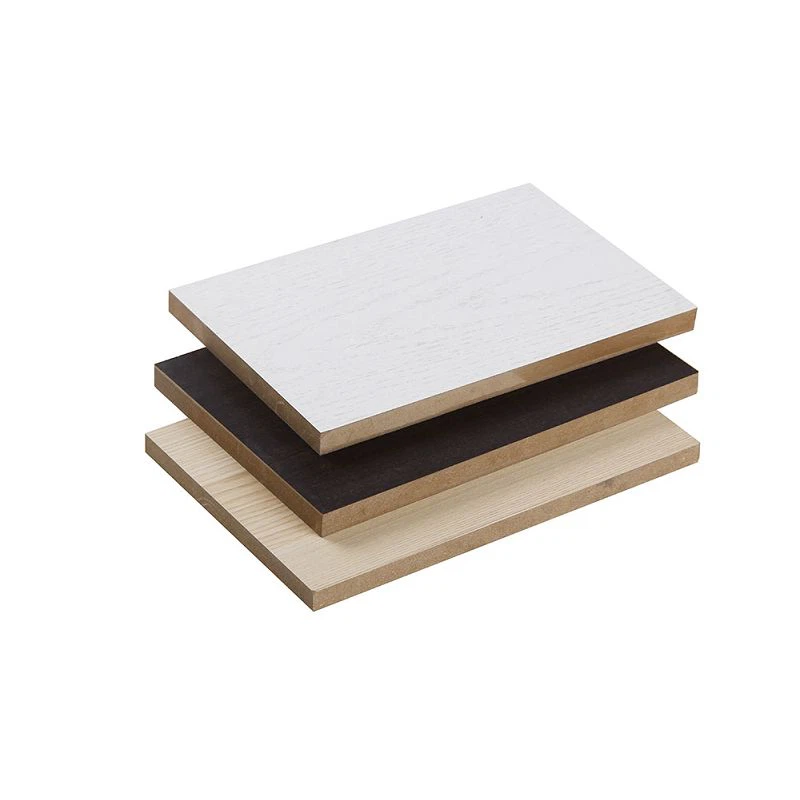
In terms of durability, melamine MDF is relatively resistant to scratches, stains, and abrasions compared to some other materials. The melamine resin forms a protective layer on the surface, which helps to keep the board looking new for longer. However, it's important to note that its durability has limits, and it may not be as robust as some other materials in high - traffic or high - stress areas.
Suitability for Stair Risers
Advantages
- Aesthetic Appeal: As mentioned earlier, the wide range of colors and patterns available in melamine MDF allows for a customized look for stair risers. Whether you're aiming for a modern, minimalist look or a more traditional wood - like appearance, melamine MDF can be a great choice. You can match the stair risers with the overall interior design of your space, creating a cohesive and visually appealing look.
- Cost - Effectiveness: Compared to materials like solid wood or stone, melamine MDF is generally more affordable. This makes it an attractive option for those on a budget, especially for large projects where the cost of materials can quickly add up.
- Ease of Installation: Melamine MDF is relatively lightweight, which makes it easier to handle and install compared to heavier materials. This can save on labor costs and time during the installation process.
Disadvantages
- Wear and Tear: Stair risers are subject to a fair amount of wear and tear, especially in high - traffic areas. While melamine MDF is resistant to scratches and abrasions to some extent, it may not hold up as well as more durable materials over the long term. In households with a lot of foot traffic, children, or pets, the surface of the melamine MDF may start to show signs of wear, such as scratches or chips, more quickly.
- Moisture Resistance: Another concern with using melamine MDF for stair risers is its moisture resistance. If the stairs are located in an area prone to moisture, such as near a bathroom or in a basement, the melamine MDF may absorb moisture, which can cause it to swell, warp, or delaminate. This can significantly affect the appearance and structural integrity of the stair risers.
Considerations for Using Melamine MDF in Stair Risers
Traffic Volume
If the stairs are in a low - traffic area, such as a rarely - used secondary staircase in a home, melamine MDF may be a suitable option. In these cases, the wear and tear on the stair risers will be minimal, and the aesthetic and cost - saving benefits of melamine MDF can be fully realized. However, for high - traffic areas like the main staircase in a commercial building or a busy household, it may be better to consider more durable materials.
Location
The location of the stairs is also an important factor. As mentioned earlier, areas with high moisture levels are not ideal for melamine MDF. If the stairs are in a dry environment, the risk of moisture - related damage is significantly reduced. You can take additional precautions, such as applying a waterproof sealant to the melamine MDF, to further enhance its moisture resistance.
Maintenance
Proper maintenance is crucial when using melamine MDF for stair risers. Regular cleaning with a mild detergent and a soft cloth can help to keep the surface looking new. Avoid using abrasive cleaners or scrubbers, as these can damage the melamine resin layer. In case of any scratches or chips, they can often be repaired using touch - up kits specifically designed for melamine MDF.
Alternatives to Melamine MDF for Stair Risers
If you're concerned about the durability or moisture resistance of melamine MDF, there are several alternatives available.
- Solid Wood: Solid wood is a classic choice for stair risers. It offers excellent durability, a natural and timeless look, and can be refinished over time to maintain its appearance. However, it is more expensive than melamine MDF and requires more maintenance.
- Laminated Melamine MDF Panel: A more durable option within the melamine MDF family is the Laminated Melamine MDF Panel. These panels often have a thicker and more robust melamine layer, which provides better resistance to wear and tear and moisture.
- Stone or Tile: Stone and tile are extremely durable and moisture - resistant options for stair risers. They can add a luxurious and sophisticated look to the stairs. However, they are heavy, which can make installation more difficult and expensive, and they are also more costly than melamine MDF.
Conclusion
In conclusion, melamine MDF can be used for stair risers, but it's important to carefully consider the specific circumstances of the project. If the stairs are in a low - traffic, dry area and you're looking for an affordable and aesthetically pleasing option, melamine MDF can be a great choice. However, if durability and moisture resistance are major concerns, you may want to explore other alternatives.
As a supplier of melamine MDF, I'm here to help you make the right decision for your project. If you have any questions or would like to discuss your specific requirements, please feel free to reach out to me. I can provide you with detailed product information, samples, and advice on the best use of melamine MDF for your stair risers.
References
- "Wood - Based Panels: Properties, Technology, and Utilization" by J. L. Kollmann and C. F. Rammerstorfer
- "Building Materials: Their Selection and Use" by Peter Brandon and R. Ian Smith