

When embarking on a design project, one of the most critical decisions you'll make is choosing the right wood. As a seasoned wood design supplier, I've witnessed firsthand the impact that the right wood selection can have on the success of a project. In this blog post, I'll share some insights and considerations to help you make an informed decision.
Understanding Your Project Requirements
Before you start browsing through different types of wood, it's essential to have a clear understanding of your project requirements. Consider the following factors:
Function
What is the primary function of the design? Is it a piece of furniture that needs to be durable and sturdy, or is it a decorative element that requires a more delicate touch? For example, if you're designing a dining table, you'll need a wood that can withstand regular use and resist scratches and stains. On the other hand, if you're creating a wall panel for a living room, you might prioritize aesthetics over durability.
Style
The style of your project will also influence your wood choice. Are you going for a modern, minimalist look, or do you prefer a more rustic, traditional style? Different woods have distinct grain patterns, colors, and textures that can complement or clash with your desired style. For instance, oak is a popular choice for traditional furniture due to its strong grain and warm color, while walnut is often used in modern designs for its smooth texture and rich, dark tone.
Budget
Budget is always a consideration when choosing materials for a design project. Some woods are more expensive than others, depending on their availability, quality, and processing requirements. It's important to set a realistic budget and look for woods that offer the best value for your money. Keep in mind that while more expensive woods may offer superior quality and aesthetics, there are also many affordable options that can still meet your needs.
Evaluating Wood Characteristics
Once you have a clear understanding of your project requirements, it's time to start evaluating different types of wood based on their characteristics. Here are some key factors to consider:
Hardness
The hardness of a wood is an important consideration, especially if your project will be subject to heavy use or wear. Hardwoods, such as oak, maple, and walnut, are generally more durable and resistant to scratches and dents than softwoods, such as pine and cedar. However, hardwoods can also be more expensive and difficult to work with. You can use the Janka hardness scale to compare the hardness of different woods and choose one that is appropriate for your project.

Grain Pattern
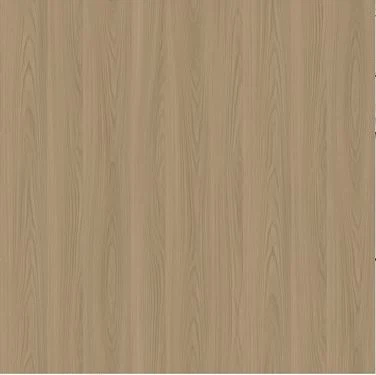
The grain pattern of a wood is one of its most distinctive features and can have a significant impact on the overall appearance of your project. Different woods have unique grain patterns, ranging from straight and uniform to curly and wavy. Some grain patterns, such as burl and fiddleback, are highly prized for their beauty and rarity. When choosing a wood, consider how the grain pattern will complement your design and enhance its visual appeal.
Color
The color of a wood can also play an important role in the overall aesthetic of your project. Woods come in a wide range of colors, from light to dark, and can be stained or finished to achieve a specific look. When choosing a wood color, consider the other elements in your design, such as the paint color of the walls, the upholstery fabric, and the hardware. You want to choose a wood color that will harmonize with these elements and create a cohesive look.
Texture
The texture of a wood refers to its surface smoothness or roughness. Some woods have a smooth, fine texture, while others have a more coarse or open texture. The texture of a wood can affect its appearance, feel, and workability. For example, a smooth-textured wood may be more suitable for a piece of furniture that will be touched frequently, while a coarse-textured wood may be better for a rustic or industrial design.
Sustainability
In today's environmentally conscious world, sustainability is an important consideration when choosing materials for a design project. Look for woods that are sourced from sustainable forests and have been certified by organizations such as the Forest Stewardship Council (FSC). Sustainable woods are harvested in a way that minimizes environmental impact and ensures the long-term health of the forest. By choosing sustainable woods, you can not only reduce your environmental footprint but also support responsible forestry practices.
Considering Wood Availability and Sourcing
In addition to evaluating wood characteristics, it's also important to consider the availability and sourcing of the woods you're interested in. Some woods may be difficult to find or may have limited availability, especially if they are rare or endangered. It's important to work with a reputable wood supplier who can provide you with high-quality, sustainable woods that are readily available.
When sourcing wood, look for suppliers who have a good reputation for quality and reliability. Ask for samples of the woods you're interested in to evaluate their characteristics and ensure they meet your expectations. You can also ask the supplier about their sourcing practices and whether they offer any certifications or guarantees.
Exploring Wood Finishes and Treatments
Once you've chosen the right wood for your design project, it's time to consider the finishing and treatment options. Wood finishes can enhance the appearance of the wood, protect it from damage, and extend its lifespan. There are many different types of wood finishes available, including stains, paints, varnishes, and oils. Each type of finish has its own advantages and disadvantages, depending on your project requirements and personal preferences.
Stains
Stains are used to enhance the color of the wood and bring out its natural grain pattern. They come in a wide range of colors and can be applied in different intensities to achieve the desired look. Stains can be either oil-based or water-based, with oil-based stains generally providing a more durable and long-lasting finish. However, oil-based stains can also be more difficult to apply and may require more ventilation.
Paints
Paints are a popular choice for wood projects that require a solid color or a specific finish. They can be used to create a variety of looks, from a smooth, glossy finish to a textured, rustic look. Paints can be either latex or oil-based, with latex paints being more environmentally friendly and easier to clean up. However, oil-based paints generally provide a more durable and long-lasting finish.
Varnishes
Varnishes are clear coatings that are applied to the surface of the wood to protect it from damage and give it a shiny, smooth finish. They can be either oil-based or water-based, with oil-based varnishes generally providing a more durable and long-lasting finish. However, oil-based varnishes can also be more difficult to apply and may require more ventilation.
Oils
Oils are a natural and eco-friendly option for finishing wood. They penetrate the wood and enhance its natural beauty and durability. Oils can be either linseed oil, tung oil, or Danish oil, with each type of oil having its own unique properties and benefits. Oils are generally easy to apply and can be reapplied periodically to maintain the finish.
Conclusion
Choosing the right wood for a design project is a complex decision that requires careful consideration of many factors. By understanding your project requirements, evaluating wood characteristics, considering wood availability and sourcing, and exploring wood finishes and treatments, you can make an informed decision that will result in a beautiful and functional design.
As a wood design supplier, I'm here to help you every step of the way. Whether you need advice on choosing the right wood, samples to evaluate, or assistance with finishing and treatment options, I'm happy to provide you with the information and support you need. If you're interested in learning more about our wood products or would like to discuss your design project, please don't hesitate to contact me. I look forward to working with you!
References
- "Wood Handbook: Wood as an Engineering Material." United States Department of Agriculture, Forest Service, Forest Products Laboratory.
- "The Wood Database: Lumber Identification (By Common Name)." The Wood Database.
- "Janka Hardness Scale." Woodworkers Source.
In addition to the wood itself, you may also want to consider using Printing Decor Paper, Printed Decorative Paper, or Decorative Paper for Melamine Board to enhance the appearance of your wood design. These products can add a unique and personalized touch to your project, and they are available in a wide range of colors, patterns, and textures. If you have any questions or would like to learn more about these products, please feel free to contact me. I'm always happy to help!